
Thinking about finishing high school? You can now earn a recognized diploma entirely online, on your schedule. Discover flexible paths adults across the U.S. are using to graduate.
Why Adults Are Returning to Finish High School Online
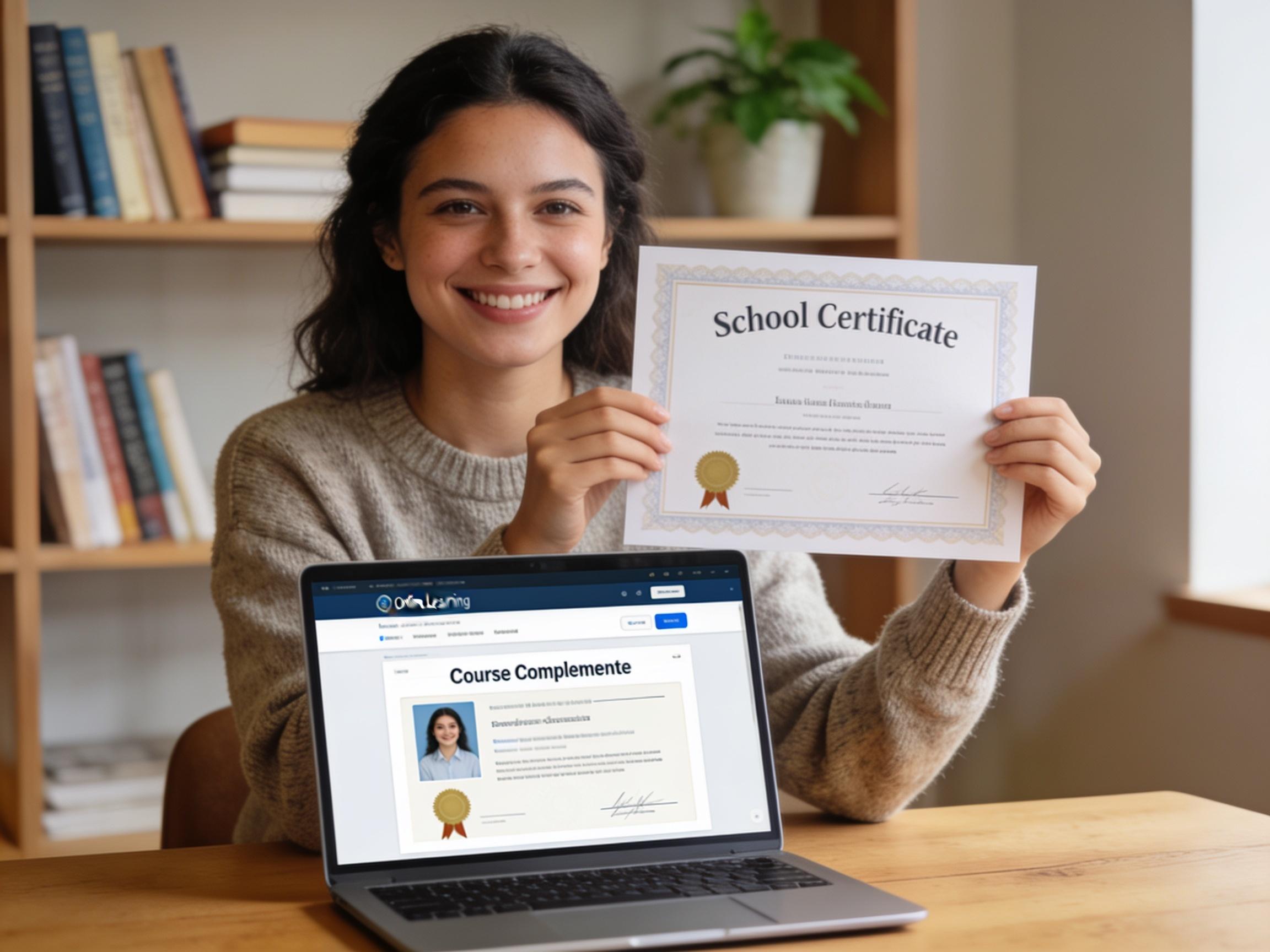
For many working Americans, the dream of graduating never faded—it just had to wait. Today, Many Adults Are Returning to Finish High School Online because modern programs are built around real life. Online courses are self-paced or offer evening sessions, mobile-friendly platforms reduce commute and childcare challenges, and academic coaches help you stay on track even when work runs late. A diploma can unlock better job prospects, eligibility for training and apprenticeships, military enlistment options, and entry into community colleges and universities—plus, it’s a powerful example to set for your family.
Achieving Your High School Diploma Online: How It Works
Achieving Your High School Diploma Online is simpler than you might think—especially if you’ve already earned credits. Most schools start with a transcript review to award the credits you’ve completed and map out exactly what’s left.
- Request your transcripts from any high school(s) you attended. Schools will evaluate which credits transfer so you only take what you still need.
- Choose an accredited program that fits your schedule and goals. Public adult programs may be tuition-free for eligible residents, while private accredited schools offer rolling start dates and flexible pacing.
- Get your custom graduation plan with required courses, electives, and any testing you’ll complete remotely.
- Study on your time with asynchronous lessons, short video lectures, interactive quizzes, and teacher office hours—often available nights and weekends.
- Graduate with a recognized diploma that employers, colleges, and military branches can verify.
If you like a step-by-step overview of the online process, explore this clear primer from PKG-12: How to get a high school diploma online. For an at-home study roadmap adults find practical, see this resource from Southeastern High School: Study-from-home diploma planning guide.
A Flexible Way Some Adults Are Earning Their Diploma
Flexibility is the difference-maker for busy adults. Programs have evolved with working learners in mind:
- Public adult or charter options: In many states, adult high schools and online charters provide no-cost tuition for eligible residents, loaning laptops and hotspots when needed.
- Private accredited online schools: Start any month, move at your pace, get live tutoring windows, and access 24/7 coursework.
- Competency-based “fast track” pathways: Demonstrate mastery to finish faster if you already know the material. See an example of an accelerated path at Forest Trail Academy: Fast-track accredited diploma option.
- Diploma vs. GED: Both can open doors, but many adults prefer a diploma for its broader recognition and continuity into college. This breakdown helps you compare: Online diploma versus GED considerations.
Accreditation, Transfers, and Recognition
Accreditation is non-negotiable. Look for regional accreditation or widely recognized accrediting bodies used by U.S. K–12 institutions (for example, agencies recognized by your state department of education or by widely known school accreditors such as Cognia). Accreditation ensures your credits can transfer, your diploma can be verified by employers and colleges, and you’ll be eligible for federal student aid (via FAFSA) when you enroll in postsecondary education.
Ask each school:
- Who accredits you? Verify on the accreditor’s official website or your state education department’s directory.
- Will you evaluate my prior credits? Many adults need only 4–8 courses to finish, depending on past progress.
- Do you support college entry? Look for guidance on applications, scholarship searches, and standardized testing if needed.
Costs and Timelines: Sample Programs and Prices
What will you pay, and how fast can you finish? Costs vary by state and program type. Public adult options may be free for residents; private schools publish tuition plans with monthly payments. The table below shows typical, publicly posted pricing ranges and formats as of recent years; always confirm current rates directly with the provider.
| Program | Format / Location | Typical Tuition |
|---|---|---|
| Penn Foster High School | Fully Online, National | ~$1,399–$1,799 total; $49–$59/mo |
| James Madison High School | Fully Online, National | ~$1,399–$1,799 total; monthly plans |
| Excel High School | Fully Online, Minneapolis, MN | ~$1,290–$1,690 total; ~$99/mo |
| Whitmore School | Fully Online, National | ~$1,699–$2,999 per year (plan-dependent) |
| University of Nebraska High School (UNHS) | Online, Lincoln, NE | ~$250–$300 per 0.5-credit course |
| University of Texas High School (UTHS) | Online, Austin, TX | ~$275–$325 per 0.5-credit course |
| Forest Trail Academy | Fully Online, National | ~$1,800–$2,400 fast-track options |
| Liberty University Online Academy (LUOA) | Fully Online, Lynchburg, VA | ~$3,500–$4,000 per year |
| Mission Academy (Elev8) | Online Charter, California | $0 for eligible CA residents |
| Florida Virtual School (FLVS Full Time) | Online Public, Florida | $0 for FL residents (tuition-free) |
Timelines vary by your remaining credits and weekly study hours. Adults finishing 6–8 credits might complete in 4–8 months with steady pacing, while part-time learners may spread completion across a year or more. Competency-based and prior-credit recognition can shorten the path.
What Daily Learning Looks Like
Online high school isn’t “do-it-alone.” Expect bite-sized lessons and regular check-ins:
- Short lessons and quizzes you can finish during lunch breaks or after bedtime routines.
- Mobile-friendly coursework with progress saved across devices.
- Teacher access through email, chat, and virtual office hours—evenings included at many schools.
- Support services like writing labs, math tutoring, and success coaching to keep you moving.
Support for Working Adults and Parents
The best programs anticipate life’s curveballs. Look for:
- Flexible pacing so overtime, caregiving, or health needs don’t derail progress.
- Course extensions or pause policies if life gets complicated.
- Career and college advising including FAFSA help, apprenticeship info, and transfer pathways to local community colleges in Columbus.
- Technology assistance like loaned devices or hotspots from qualifying public programs.
How Long Will It Take Me?
Most U.S. diplomas require about 18–24 credits, including English, math, science, social studies, and electives. If you’ve completed most of these already, your plan might be surprisingly short. As a rough guide:
- Heavy prior credits (10–16+): 4–8 months with consistent weekly study.
- Moderate prior credits (6–10): 6–12 months, depending on pace.
- Starting fresh: 18–30 months part-time; faster full-time or with competency-based models.
Your advisor will tailor a plan you can sustain—without sacrificing work or family.
Next Steps and Trusted Resources
Ready to map your path? These resources can help you choose confidently and start strong:
- Compare diploma vs. GED to decide what fits your goals: Diploma or GED—what’s the difference?
- Understand the online process with a concise explainer: How online diploma programs work.
- Plan your at-home study routine with practical tips: Study-from-home planning.
- Explore accelerated paths that can recognize what you already know: Accelerated diploma options.
- Get a quick-start checklist for adults taking the first step: Quick-start to your U.S. online diploma.
Earning your high school diploma online is within reach, no matter how busy life gets. With accreditation, flexibility, and clear support, you can pick a program that fits your schedule and future plans—and finally turn that unfinished chapter into a proud graduation moment.