Expanding your computer’s storage is one of the most practical upgrades you can make. Whether you need more space for photos, videos, games, apps, or work files, adding an SSD or hard drive can dramatically improve your system’s usability and performance. But storage upgrades range widely in price, and without the right strategy, it’s easy to overpay. The good news is that you don’t need to buy the most expensive drive to get fast speeds or reliable long-term performance. By understanding your real needs, comparing options wisely, and timing your purchase right, you can save money while getting the storage your computer actually requires.
This guide breaks down simple and effective ways to find affordable SSDs and hard drives without sacrificing quality, durability, or performance — whether you’re upgrading a laptop, desktop, or external storage device.
Know Exactly How Much Storage You Really Need
The easiest way to overspend is by buying far more storage than you actually use. Before you shop, determine how much additional space your work and lifestyle require.
Many users don’t need multi-terabyte SSDs.
Consider your typical usage:
-
If you browse, stream, and store documents, a 500GB SSD is often enough.
-
Gamers may benefit from 1TB or 2TB SSDs depending on their game library.
-
Video editors, designers, and photographers may need 2TB+ or a mix of SSD + HDD.
-
Basic desktops can run well with a smaller SSD for the operating system plus a large hard drive for storage.
Being honest about your needs prevents overspending on unnecessary capacity.
Understand the Difference Between SSDs and Hard Drives
SSD and HDD prices differ dramatically because the technologies perform differently. Knowing which one fits your usage helps you save money.
Solid-State Drives (SSDs)
-
Faster boot times and app loading
-
Ideal for gaming, editing, and everyday speed
-
More expensive per gigabyte
Hard Disk Drives (HDDs)
-
High storage capacity for low prices
-
Best for archives, backups, and large media files
-
Slower performance
A cost-effective approach for many people is combining both: install the operating system and essential programs on an SSD for speed, and use an HDD for bulk storage. This hybrid setup keeps costs low while improving overall performance.
Compare SATA vs. NVMe SSDs Before You Buy
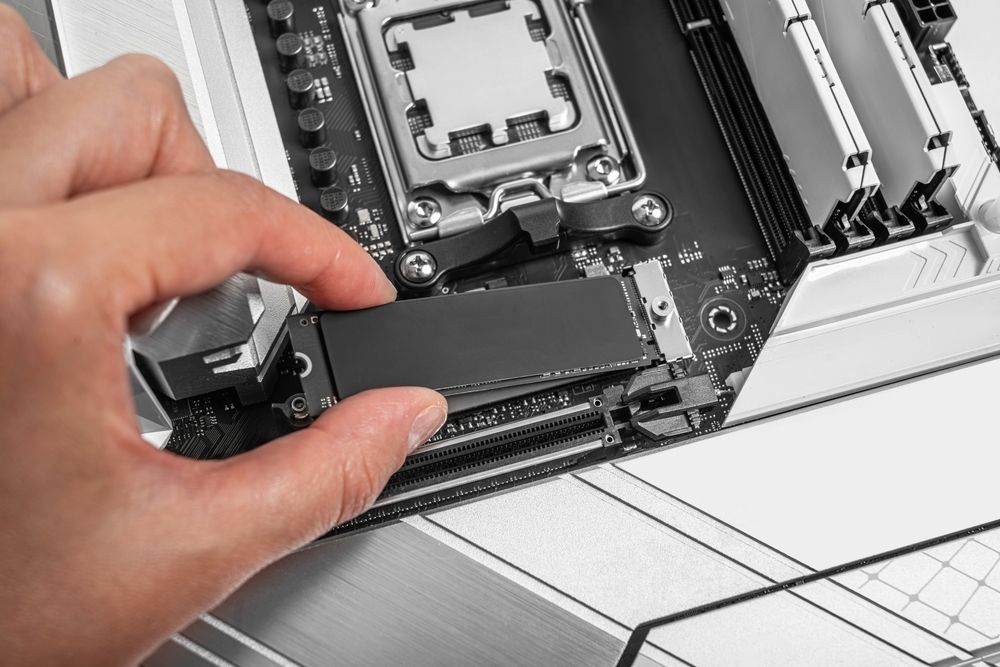
Not all SSDs are created equal. NVMe SSDs are faster but usually more expensive. SATA SSDs are slower but cheaper and still dramatically improve system performance.
To save money:
-
Choose a SATA SSD if your motherboard doesn’t fully benefit from NVMe speeds.
-
Pick an NVMe SSD only if you do high-speed tasks like 4K editing or heavy gaming.
-
Avoid paying extra for a top-tier NVMe drive if your system can’t utilize its maximum speed.
Understanding your motherboard’s limitations prevents you from spending more than you need to.
Don’t Overpay for Premium Brands When Mid-Range Models Perform Just as Well
Storage tech has matured, and many reliable mid-range brands offer excellent performance even at lower prices. While premium brands often include features like advanced controllers, longer warranties, or special software, the difference in everyday use is often minimal.
When trying to save money:
-
Look for well-reviewed mid-range SSDs or HDDs
-
Compare endurance ratings only if you write large amounts of data daily
-
Avoid overpaying for features like RGB lighting or high-end heatsinks
In most cases, the real-world performance difference between budget-friendly and premium models is very small — but the price difference is large.
Buy During Sales and Seasonal Discounts
Storage devices drop in price regularly, especially during major sales. If you’re not in a rush, waiting for the right timing can save you dramatically.
The best times to buy include:
-
Back-to-school sales
-
Holiday promotions
-
Clearance events when new drive models release
-
Mid-year tech deals
-
Manufacturer storage refresh cycles
Even a short wait can reduce prices by 15–40%, making higher-capacity drives more affordable.
Avoid Paying for Excessively High Speeds You Won’t Notice
Many SSDs advertise extremely high read/write speeds, but most users don’t need the fastest option available. Everyday computing tasks — browsing, streaming, office work, casual gaming — rarely max out SSD performance.
Only pay for high-speed NVMe drives if you:
-
Move very large files daily
-
Work in video production or 3D modeling
-
Run applications that benefit from high bandwidth
-
Want extremely short game load times
Otherwise, mid-speed SSDs offer excellent performance at lower prices.
Consider Lightly Used or Refurbished Storage Devices
Used SSDs and hard drives can be significantly cheaper, and many come from office upgrades or short-term builds. While it's important to be careful with used drives, they can offer outstanding value with little performance loss.
When considering used storage:
-
Check the drive’s health using available system tools
-
Avoid heavily used data-center drives unless the price is extremely low
-
Read seller reviews or buy from trusted refurbishers
-
Look for drives with low power-on hours or low write counts
A lightly used SSD can last years for everyday tasks — at a fraction of the cost.
Choose the Right Capacity Sweet Spot
Certain storage capacities tend to be priced more competitively than others. For example, 500GB and 1TB SSDs often have the lowest price per gigabyte, while very small or very large drives cost more relative to their size.
To save money:
-
Avoid very small SSDs (120GB or 240GB), which become restrictive quickly
-
Consider 480–512GB drives as a budget-friendly sweet spot
-
Look for sales on 1TB SSDs, which often drop in price
-
Use a large 2TB–4TB HDD for long-term storage instead of buying a massive SSD
Finding the capacity sweet spot gives you both storage and savings.
Avoid Buying Storage Based on Brand Marketing Claims
Storage companies often advertise:
-
“Extreme performance”
-
“Next-generation speed”
-
“Enterprise-grade reliability”
While these sound reassuring, they rarely matter for everyday users. What really counts is:
-
Solid endurance rating
-
Reliable controller
-
Good thermal performance
-
Warranty length
-
Stable speed under load
Don’t let flashy marketing push you into overspending.
Don’t Forget External Drives as a Cheaper Alternative
If you only need extra space for media, backups, schoolwork, or projects, external drives are often cheaper and easier to use than internal upgrades.
External HDDs are extremely affordable for bulk storage, and external SSDs offer excellent speeds without requiring any installation. This is a cost-effective solution for storing:
-
Photos and videos
-
School documents
-
Work archives
-
Game files
-
Project backups
This lets you keep your main computer lean while saving money on storage upgrades.
Maintain Your Storage Properly to Extend Lifespan
One of the best ways to save money is to make your existing drives last longer so you delay replacement costs.
Good practices include:
-
Avoiding constant rewriting of large files on SSDs
-
Keeping HDDs away from drops or vibration
-
Running health checks periodically
-
Keeping drives cool with proper airflow
-
Backing up important files to avoid data-loss expenses
A well-maintained storage drive lasts years longer — maximizing your investment.
Saving money on SSDs and hard drives comes down to understanding your actual needs, shopping strategically, and avoiding unnecessary premium features. With the right approach, you can expand your computer’s storage affordably while maintaining speed, reliability, and longevity.
By choosing the right type of drive, comparing prices, buying at the right time, and considering gently used options, you can stretch your budget much further. Whether you're a student, professional, gamer, or casual user, these simple strategies will help you get more storage without overspending.